


Все продукты
-
Защита от ядерной радиации
-
Детектор ядерной радиации
-
Медный защищать фольги
-
RF защищал двери
-
RF защищал Windows
-
Стекло руководства радиационной защиты
-
Немагнитный набор инструментов
-
RF защищал камеру
-
Вентиляционные отверстия волновода сота
-
Проводная слипчивая медная лента
-
Ячеистая сеть медной проволоки
-
X стекло руководства Рэй
-
EMI защищая набивку
-
Электрически проводная ткань
-
Дверь радиационной защиты
-
Радиационная защита x Рэй
-
Клетка MRI Фарадея
-
Шерсти медной проволоки
-
Освещение СИД MRI
-
Не магнитная кресло-коляска
-
Не магнитный растяжитель
-
 AnasЛатунный сброс сота смотрит очень славным
 -
 SatheeshДвери MRI/RF светят с ручками, спасибо мой друг.
Мультинуклидный калибратор дозы для рабочих процессов горячей камеры PET
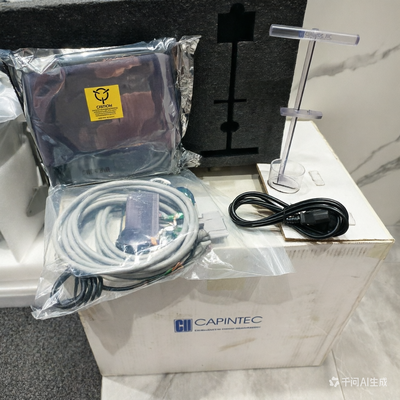
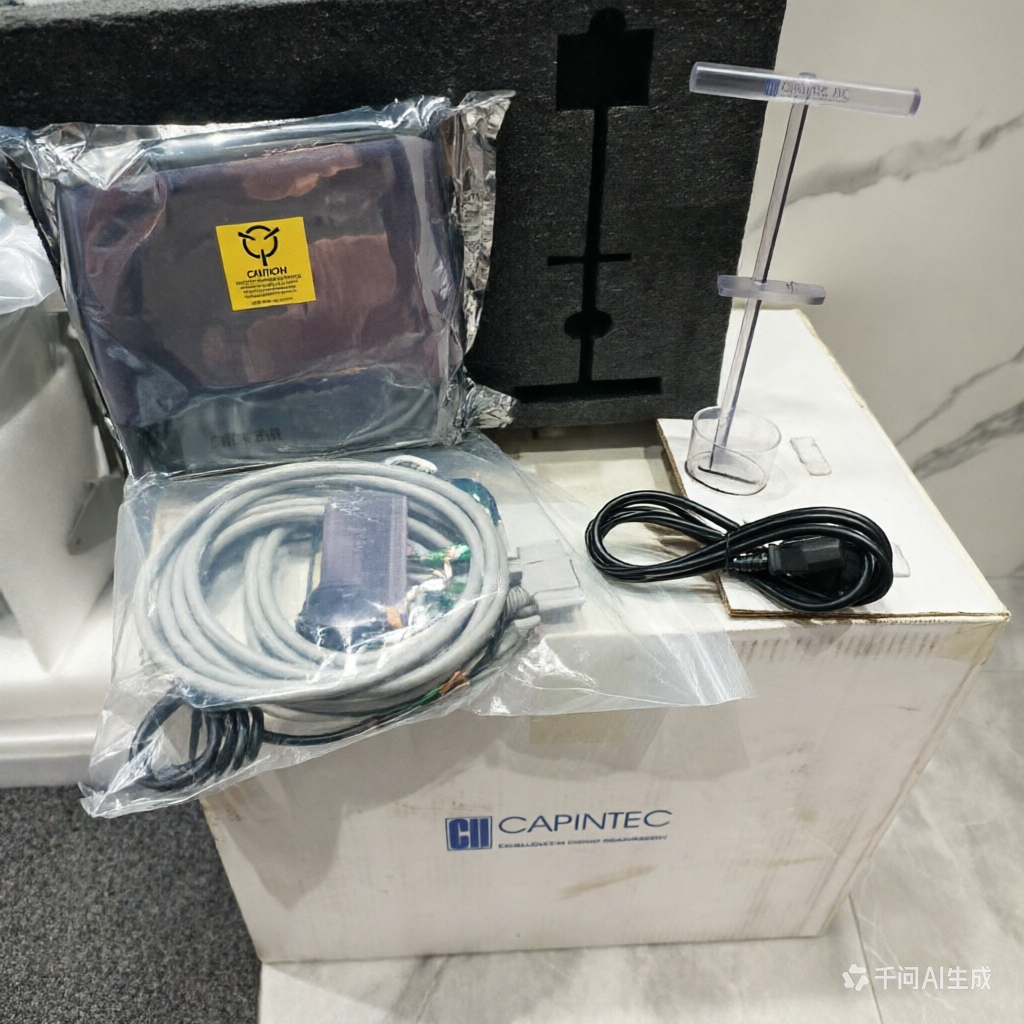
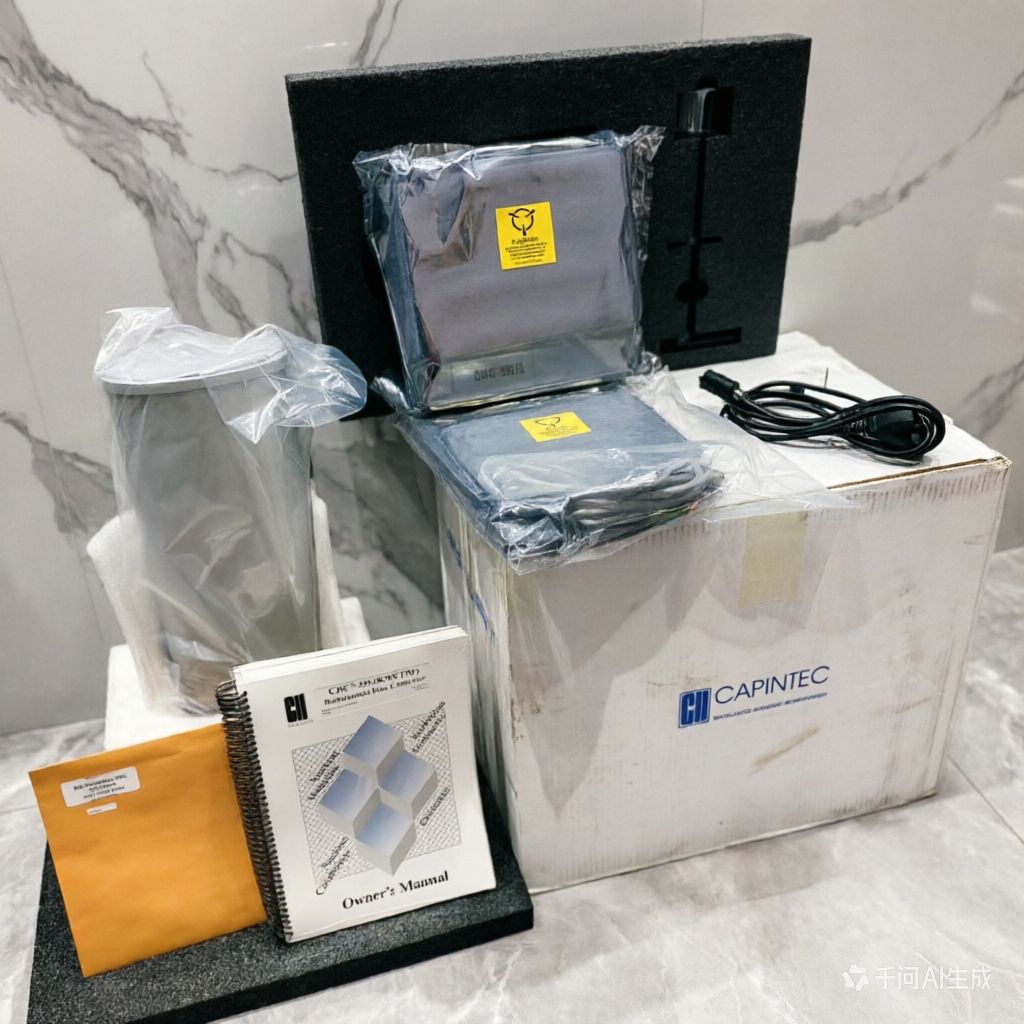
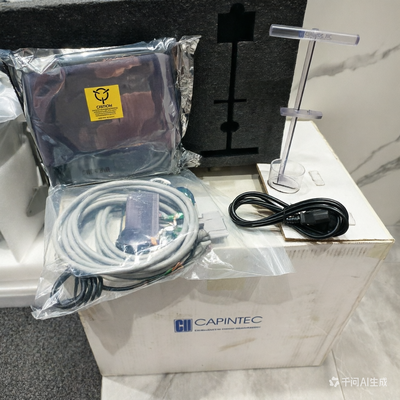
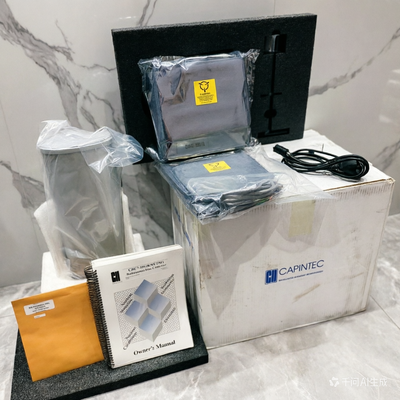
Подробная информация о продукте
| Рабочая температура | от -20°С до 50°С | Масса | 9,8 кг |
|---|---|---|---|
| Размеры | 350*250*245 мм | Кумулятивный диапазон доз | 0,1 мкЗв ~ 10 Зв |
| Время ответа | Менее 3 секунд | Диапазон активности | от 0,1 мКи до 2 Ки |
Характер продукции
Мультинуклидный калибратор дозы для рабочих процессов горячей камеры PET
Введение продукта
Многонуклидный калибратор дозы специально оптимизирован для ПЭТ-центров, которые обрабатывают несколько изотопов, излучающих позитроны.68 минут, Cu-64: 12,7 часа, Zr-89: 3,3 дня) и энергии излучения (излучение анигиляции при 511 кеВ является общим для всех, но быстрые гамма-излучения и соотношение разветвления позитронов различаются).Стандартные калибраторы доз обрабатывают все изотопы ПЭТ одинаково, что приводит к ошибкам измерений для изотопов со сложными схемами распада.достижение точности ± 3% для всех распространенных изотопов ПЭТИнструмент включает автоматическую коррекцию распада для каждого изотопа, упрощая подготовку дозы для отсроченного введения.
Диапазон применения
Мультинуклидный калибратор дозы предназначен для отделений ПЭТ/КТ, циклотронов и радиофармацевтических учреждений, которые производят и раздают несколько ПЭТ-маркетогенов.Основные применения включают измерение F-18 FDG для онкологической визуализации, количественное определение Ga-68 DOTATATE для визуализации нейроэндокринных опухолей, проверка маркеров Cu-64 для ПЭТ-исследований метаболизма меди, измерение маркеров Zr-89 immunoPET для визуализации антитела,и количественное определение Rb-82 для кардио-ПЭТ (при использовании с выделенным генератором Rb-82)Инструмент поддерживает как однократные измерения для индивидуальной дозировки пациента, так и массовые измерения для контроля качества флаконов с многократными дозами.
Производительность и преимущества
Многонуклидный калибратор дозы достигает точности ±3% для всех распространенных изотопов ПЭТ значительно лучше, чем стандартные калибраторы,которые могут производить ошибки 10~20% для Ga-68 и Cu-64 из-за их сложных схем распадаУлучшенная точность достигается за счет специфических для изотопа коэффициентов калибровки, которые учитывают уникальный спектр эмиссии каждого изотопа.калибровщик использует коэффициент калибровки, который корректирует 89% соотношения позитронного разветвления изотопа и наличие быстрых гамма-эмиссий при 1077 кВДля Cu-64 (12,7 часа) калибровка корректирует для 19% позитронного разветвления изотопа, 40% захвата электронов,и 41% бета-минус распада Для Zr-89 (3,3 дня) калибровка корректирует для 23% позитронного разветвления изотопа и присутствия 909 кеВ гамма.Инструмент включает в себя автоматическую функцию коррекции распада, которая необходима для рабочего процесса ПЭТПользователь вводит желаемое время введения, а калибровщик вычисляет активность, которая должна присутствовать в момент измерения, чтобы доставить предписанную дозу при введении.Для короткоживущих изотопов, таких как Ga-68 (время полураспада 68 минут), несколько минут ошибки в измерении или времени введения может привести к ошибке дозировки 5~10%.Время отклика для изотопов ПЭТ составляет менее 3 секунд для типичных доз для пациента (520 мЦИ)., а функция автоматического диапазона охватывает активность от 0,1 мЦи до 2 мЦи.и время, оставшееся до того, как доза упадет ниже предписанного уровня.Инструмент включает в себя систему регистрации данных, которая хранит до 500 измерений с полными метаданными, а порт USB поддерживает экспорт на ПЭТ программное обеспечение для управления дозой.Дополнительный принтер производит этикетки для ампул или шприцев.Для ПЭТ-центров основным преимуществом многонуклидной конструкции является точность измерений по всем используемым изотопам.необходимость калибровки изотопов становится критической.Центр, который измеряет дозы Га-68 DOTATATE с использованием калибровочного фактора F-18, будет последовательно снижать дозу пациентов на 1015% - клинически значимая ошибка.Этот прибор устраняет этот риск, обеспечивая правильную калибровку для каждого изотопа.Автоматическая коррекция распада также уменьшает ошибки вычислений и экономит время технологов.многонуклидный калибратор дозы является важным инструментом для обеспечения точности дозы.
Порекомендованные продукты
