


Все продукты
-
Защита от ядерной радиации
-
Детектор ядерной радиации
-
Медный защищать фольги
-
RF защищал двери
-
RF защищал Windows
-
Стекло руководства радиационной защиты
-
Немагнитный набор инструментов
-
RF защищал камеру
-
Вентиляционные отверстия волновода сота
-
Проводная слипчивая медная лента
-
Ячеистая сеть медной проволоки
-
X стекло руководства Рэй
-
EMI защищая набивку
-
Электрически проводная ткань
-
Дверь радиационной защиты
-
Радиационная защита x Рэй
-
Клетка MRI Фарадея
-
Шерсти медной проволоки
-
Освещение СИД MRI
-
Не магнитная кресло-коляска
-
Не магнитный растяжитель
-
 AnasЛатунный сброс сота смотрит очень славным
 -
 SatheeshДвери MRI/RF светят с ручками, спасибо мой друг.
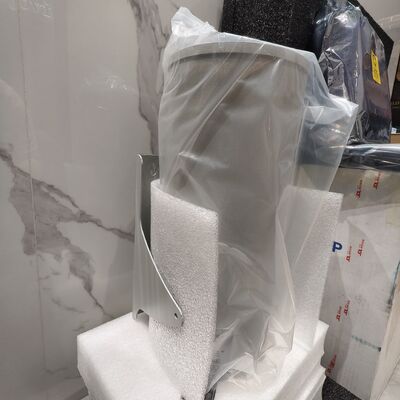
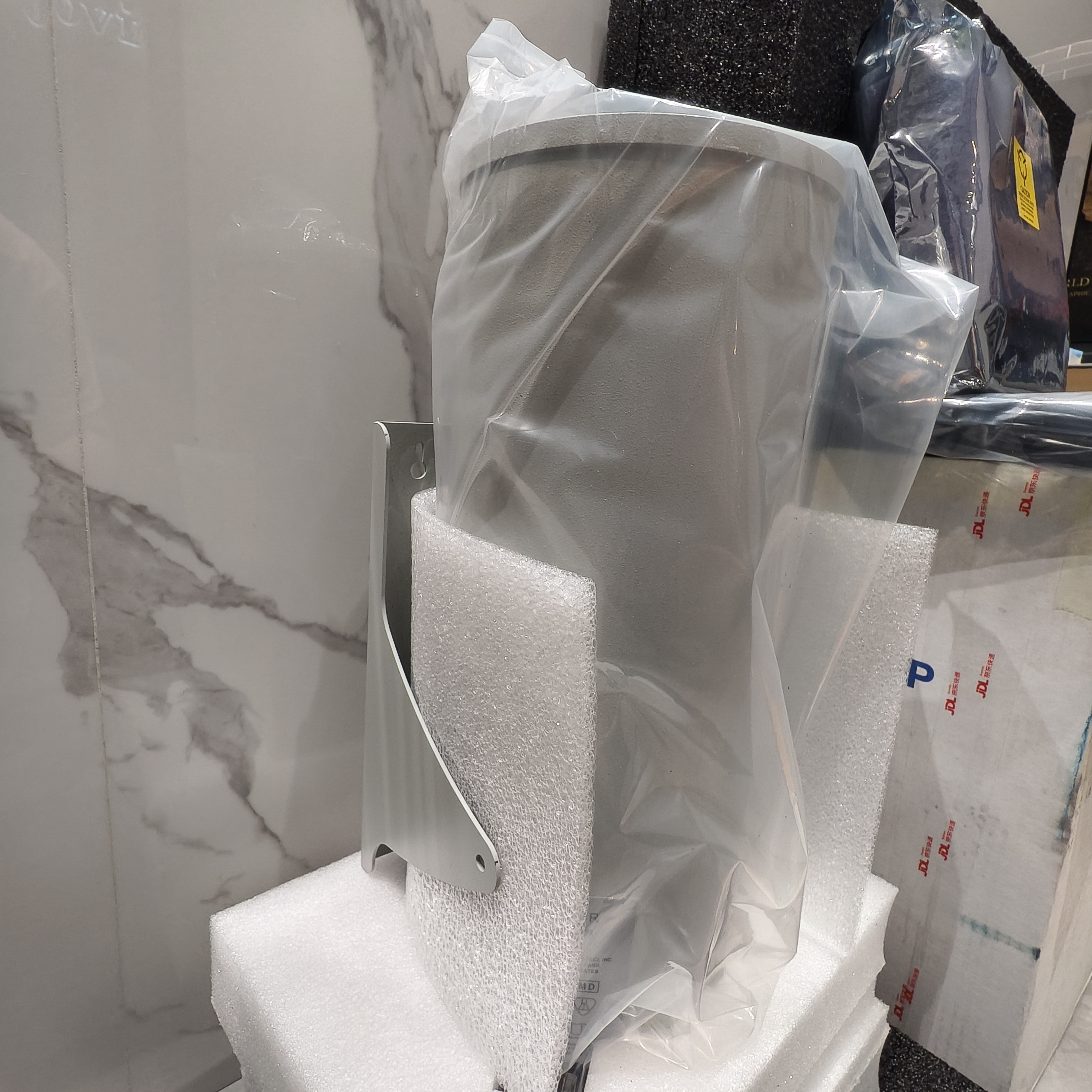
Одноканальный калибратор дозы, предназначенный для дозирования горячих клеток
Подробная информация о продукте
| Диапазон измерения | от 0,01 мкЗв/ч до 10 Зв/ч | Энергетический диапазон изображения | 50 кэВ – 1500 кэВ |
|---|---|---|---|
| Тип обнаружения | Альфа, бета, гамма, рентген. | Область окна обнаружения | 75 см² |
| Диапазон мощности дозы | 10⁻⁶Гр/ч-10Гр/ч | Температура хранения | -20°C - 50°C |
Характер продукции
Одноканальный калибратор дозы, предназначенный для дозирования шприцев с горячими камерами
Введение продукта
Одноканальный калибратор дозы — это специализированный прибор, оптимизированный для единственной задачи: измерения радиофармацевтической активности в предварительно заполненных шприцах. В отличие от калибраторов общего назначения, которые должны работать с флаконами, капсулами, таблетками и шприцами, этот прибор предназначен исключительно для шприцев. Одноканальная конструкция упрощает работу, снижает затраты и обеспечивает превосходную точность измерений для шприцев различной геометрии. Форма ионизационной камеры позволяет использовать стандартные шприцы емкостью 1, 3, 5 и 10 мл, а ее глубина позволяет расположить кончик шприца (где находится большая часть радиоактивного раствора) в оптимальной точке измерения. В приборе нет ненужных функций, что делает его идеальным для горячих камер, где измерение шприцем является основным видом деятельности.
Область применения
Одноканальный калибратор дозы предназначен для отделений ядерной медицины, которые готовят большую часть доз для пациентов в шприцах — это касается практически всех центров ПЭТ/КТ, большинства отделений ОФЭКТ/КТ и многих терапевтических программ. Основные применения включают измерение доз F-18 FDG для ПЭТ/КТ, количественное определение меченных Tc-99m соединений (MDP, сестамиби, MAG3 и т. д.) для исследований SPECT, проверку доз Ga-68 DOTATATE для визуализации нейроэндокринных опухолей и измерение доз Lu-177 для PRRT при введении шприцем. Прибор одинаково полезен для контроля качества процедур наполнения шприцев, проверки того, что автоматизированные системы дозирования обеспечивают правильную активность, а также измерения остаточной активности в пустых шприцах после введения пациенту.
Производительность и преимущества
Одноканальный калибратор дозы обеспечивает точность, специфичную для шприца.±3%— лучше, чем ±5%, характерное для калибраторов общего назначения и мерных шприцев. Повышенная точность достигается за счет трех конструктивных особенностей. Во-первых, геометрия ионизационной камеры оптимизирована под форму шприца, при этом чувствительность сосредоточена на кончике, где скапливается большая часть радиоактивного раствора. Во-вторых, прибор использует калибровочные коэффициенты для конкретных шприцев, полученные на основе фактических измерений стандартных шприцев, наполненных каждым изотопом, а не общие коэффициенты, основанные на геометрии флаконов. В-третьих, позиционирование образца является повторяемым: механический стопор гарантирует, что каждый шприц вводится на одну и ту же глубину, устраняя общий источник изменчивости. Время ответа меньше3 секундыдля типичных доз пациентов (5–20 мКи), а функция автоматического выбора диапазона охватывает действия отот 0,1 мКи до 2 Ки. На дисплее отображается активность в мКи или МБк крупными, легко читаемыми цифрами, а по завершении измерения подается звуковой сигнал. Прибор включает встроенную библиотеку калибровочных коэффициентов шприцев для всех распространенных медицинских изотопов: F-18, Ga-68, Tc-99m, I-123, I-131, Lu-177 и Y-90. Для каждого изотопа библиотека включает коэффициенты для различных марок и размеров шприцев (1 мл, 3 мл, 5 мл, 10 мл), и пользователи могут добавлять собственные коэффициенты для специализированных приложений. Система регистрации данных сохраняет до500 измерений шприцемс полными метаданными, а порт USB поддерживает экспорт в лабораторные информационные системы. Дополнительный принтер печатает этикетки для карт пациентов. Одноканальная конструкция предлагает несколько практических преимуществ. Прибор меньше, чем калибраторы общего назначения, и требует меньше места за пределами горячей камеры. Им проще управлять, требуется меньше элементов управления и меньше обучения. Обычно это дешевле, что делает его привлекательным для отделов с ограниченным бюджетом. А поскольку он предназначен для одного применения, нет риска использования неправильной настройки геометрии — распространенного источника ошибок для инструментов общего назначения. Для крупных ПЭТ-центров, которые каждую неделю измеряют сотни шприцев, одноканальный калибратор доз предлагает оптимальное сочетание точности, простоты и стоимости. Устранив функции, не необходимые для измерения с помощью шприца, прибор фокусируется на исключительно хорошем выполнении одной задачи. Отделения ядерной медицины, сочетающие этот калибратор, предназначенный для шприцев, с отдельным калибратором, предназначенным для флаконов, достигают более высокой общей точности, чем использование одного универсального инструмента для обеих геометрий.
Порекомендованные продукты
